In the verdant gardens of paradise that is Bali, a flower flourishes and enchants both locals and visitors alike—the frangipani. Known in Bali as “jepun,” this charismatic bloom paints the island in bursts of whites, yellows, pinks, and reds, exuding a fragrance that feels like a loving embrace from nature. While admired for its beauty worldwide, on this Indonesian island, the frangipani holds a deeper, almost mystical significance. In Bali, it symbolizes spirituality, tradition, and a distinct connection between humans and the divine.
What is the Frangipani Flower in Bali?

To truly appreciate the frangipani in Bali, one must dive into the interwoven tapestry of Balinese culture and the natural environment. This charming flower not only adds to the aesthetic allure of the island but is deeply entwined in daily practices, religious ceremonies, and cultural aesthetics. Unlike the transient trends that come and go, the frangipani’s charm and relevance remain ever-present, signifying purity and the perpetual cycle of life.
Cultural Significance of Frangipani Flower in Bali
Religious Ceremonies
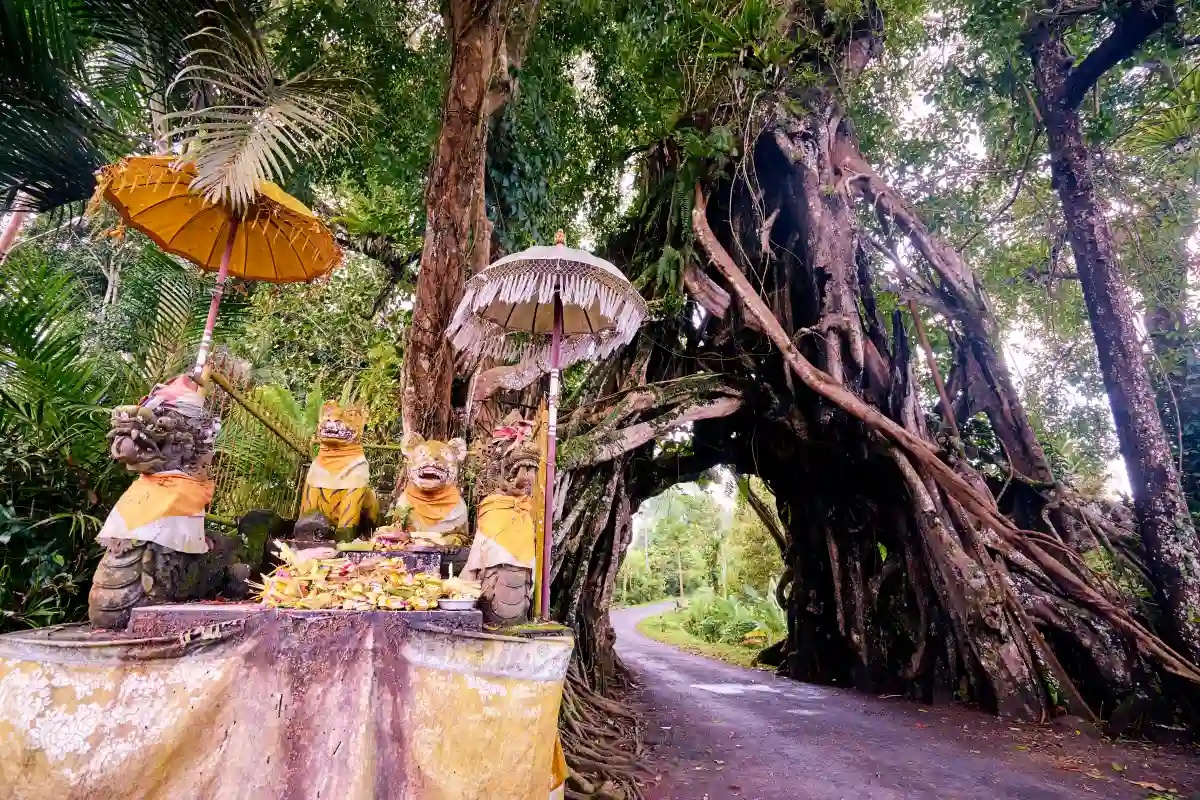
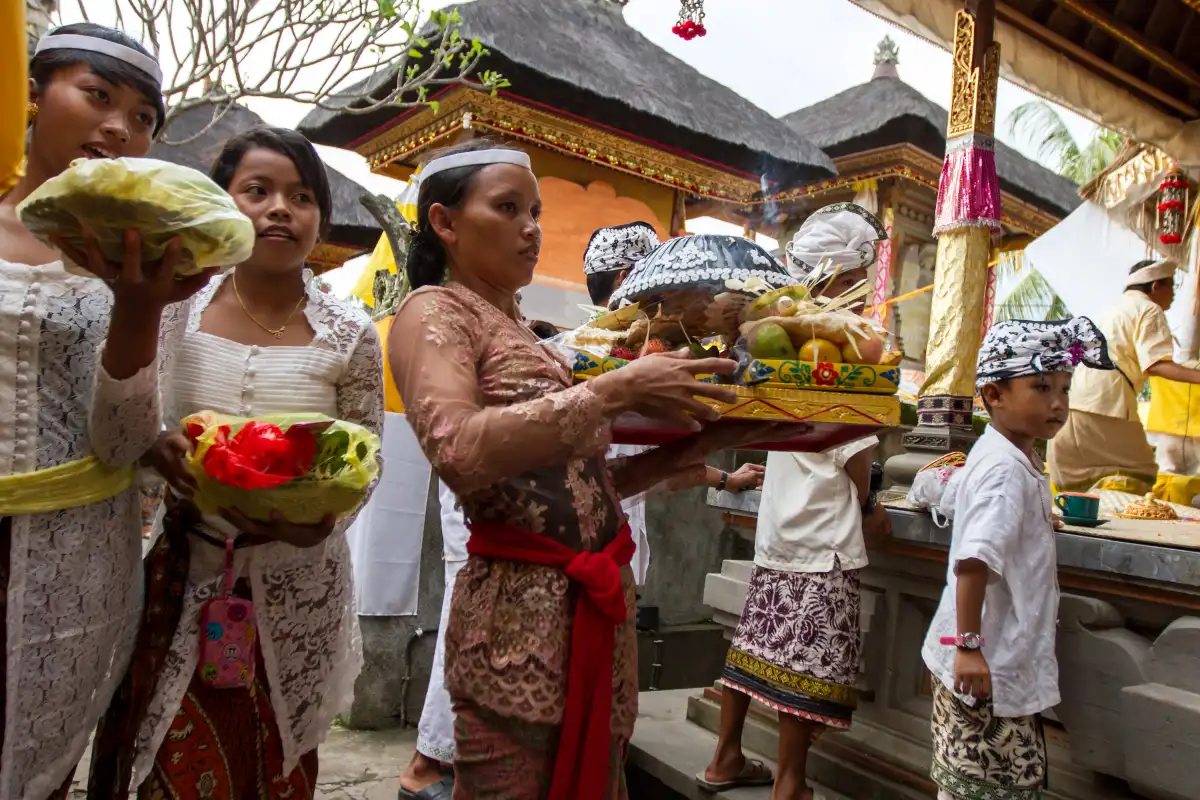
At the heart of Bali’s spiritual life, the frangipani serves as a sacred offering to the deities. Found in exquisitely arranged offerings crafted from palm leaves, these flowers adorn temples, shrines, and family altars, acting as a fragrant bridge between the earthly and divine. Frangipani’s inclusion in such ceremonial offerings isn’t merely about aesthetics; it carries profound symbolism representing purity, dedication, and respect. During festivals, the air is often filled with the sweet scent of frangipani, mingling with incense smoke as prayers and blessings permeate the atmosphere.
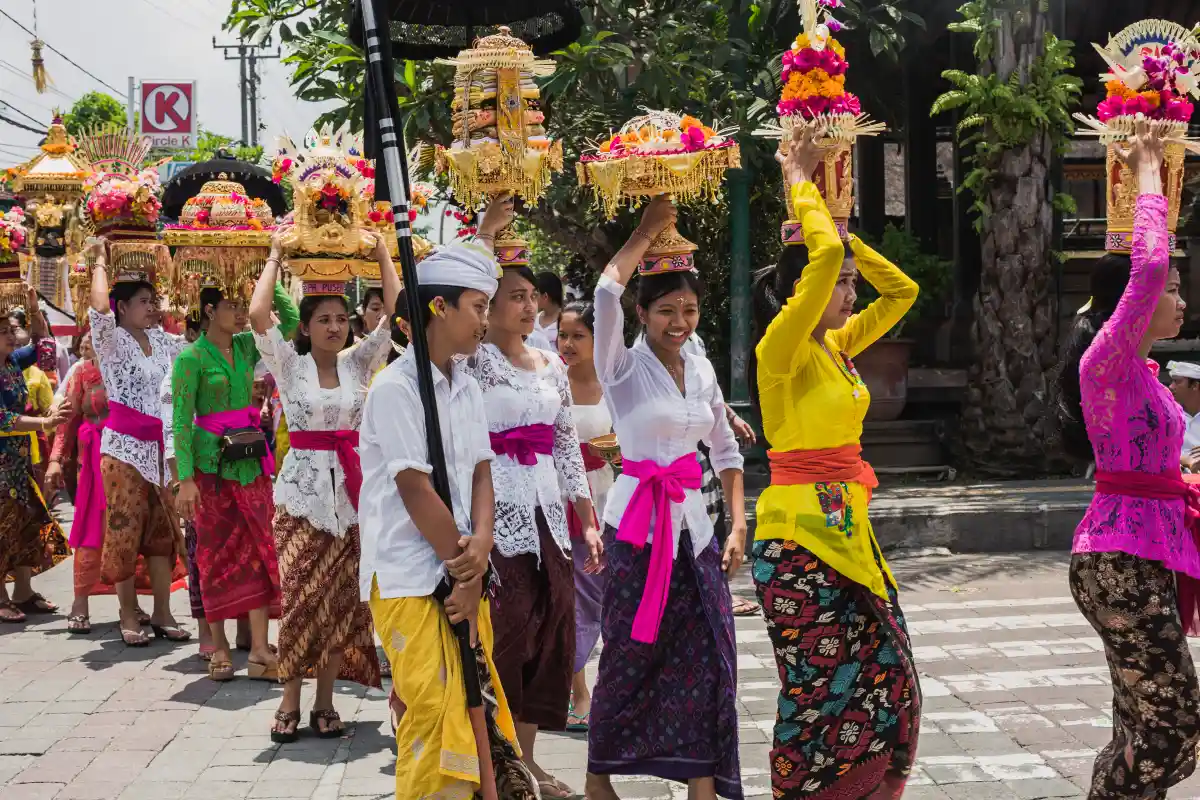
One of the most captivating sights is the annual Galungan festival—a time when the spirits of ancestors return to earth. During this festival, frangipanis, among other flowers, are used to decorate the richly layered offerings called “gebogan,” which purposefully connect the physical to the spiritual realms.
Read also : The Untold Magic of Melukat: Purification Ritual in Bali
Symbolism
Beyond its religious affiliations, the frangipani represents life, immortality, and renewal. Its ability to bloom even amid challenging conditions—thriving where many plants cannot—is regarded as a metaphor for resilience and eternal life. The flower’s five petals are sometimes seen to represent the five main gods in the Balinese Hindu Pantheon, further deepening its sacred significance.
In Indonesia, the different colors of the frangipani come with their own unique meanings. White frangipanis denote purity and innocence, pink ones carry a sense of calm and delicacy, while yellow symbolizes happiness and success. This symbolism subtly influences how the flowers are used in ceremonial and daily life.
Everyday Use
It is common to see Balinese women wearing frangipani flowers, effortlessly tucking them behind their ears or weaving them into their hair. This natural adornment isn’t just an accessory, but a continuation of a timeless aesthetic that celebrates the beauty and simplicity of life. Beyond personal use, the scent of frangipani is integral to the island’s traditional wellness practices. It features prominently in aromatherapy, spa rituals, and home-made remedies, known for its ability to calm the mind and spirit.
Appearance and Characteristics of Frangipani Flower

Color Variations
Frangipani blooms come in a stunning array of colors, each with its own charm and character. The most common—and perhaps iconic—are the pure white petals with sunny yellow centers. However, they also display a vivid palette ranging from soft pinks to rich reds and deep purples. This colorful diversity adds vibrancy to Bali’s natural landscape, making each garden and temple a dynamic display of life.
Fragrance
One of the most alluring features of the frangipani is its captivating fragrance. The sweet, intoxicating aroma intensifies in the cooler evening air, often described as soothing and romantic. This scent not only enhances Bali’s sensory experiences but is also a key ingredient in local perfumes and aromatic oils. The allure of frangipani’s fragrance is such that it is often used in traditional ‘boreh’—a Balinese scrub that rejuvenates the body and spirit.
Blooming Season
In Bali’s tropical climate, frangipani trees generally burst into bloom from early spring and can continue flowering until late autumn. However, due to the favorable conditions year-round, it’s not uncommon to see these trees flaunting their flowers throughout the year. This resilience to seasonal shifts and its relatively low maintenance appeal make them a staple in Balinese gardens.
Growing Conditions
Frangipani trees are a study in adaptability. They thrive in sunny locations with well-drained soil, aspects readily available in Bali’s environment. These plants are not only capable of withstanding dry conditions but seem to bask in the sunlight, growing stronger under its rays. Their drought resistance means they thrive in coastal areas across Bali, lining streets and dotting gardens with their vibrant flowers.
The frangipani flower is much more than a botanical treasure in Bali; it is a symbol of the island’s spiritual depth and enduring beauty. Whether found gracing a temple offering or tucked behind the ear of a local woman, these flowers are a constant reminder of life’s beauty, fragility, and the sacred connection between nature and divine. Bali itself is a melting pot of cultural heritage and natural wonders, and frangipani signifies that harmony gracefully.
With their fragrant allure and profound symbolism, frangipani blossoms invite all who encounter them to slow down, savor the moment, and reflect on the timeless beauty that resides in the simple joys of life. They stand as enduring symbols of Bali’s rich traditions and the island’s unique spiritual cadence. Whether for the devout or the passerby, the frangipani offers a sensory and spiritual journey into the heart of Bali, one petal at a time.
Read also : Bali Animals and Where to See Bali Unique Wildlife
Experience The Essence of Bali with Bali Institute
For those seeking to explore Bali beyond the tourist trail, the Bali Institute specializes in crafting customized group tours that focus on sustainability and eco-conscious experiences. As a premier travel agent, we immerse you in the heart of Bali’s breathtaking nature, where every journey is designed to honor and preserve the island’s natural beauty. Engage in activities that empower local communities and indulge your adventurous spirit while remaining mindful of our environment. Whether you are a student looking for an educational journey outside the classroom, a group of adults keen to uncover Bali’s hidden treasures, or a corporation aiming to integrate sustainability in your company outings, Bali Institute tailors your experience to resonate with your values and interests.
For student groups, our programs offer a unique opportunity to blend learning with unforgettable adventures. High school and university students can spend their summer exploring Bali’s landscapes with peers, fostering a love for sustainability and global citizenship. Meanwhile, our adult tours provide an in-depth look into the lesser-known sides of Bali, emphasizing sustainable travel practices. For companies seeking ESG-based excursions, our custom CSR group tour programs incorporate impactful activities that resonate with corporate sustainability values. At Bali Institute, each tour is a gateway to understanding, experiencing, and contributing positively to the vibrant cultural and natural heritage of Bali.