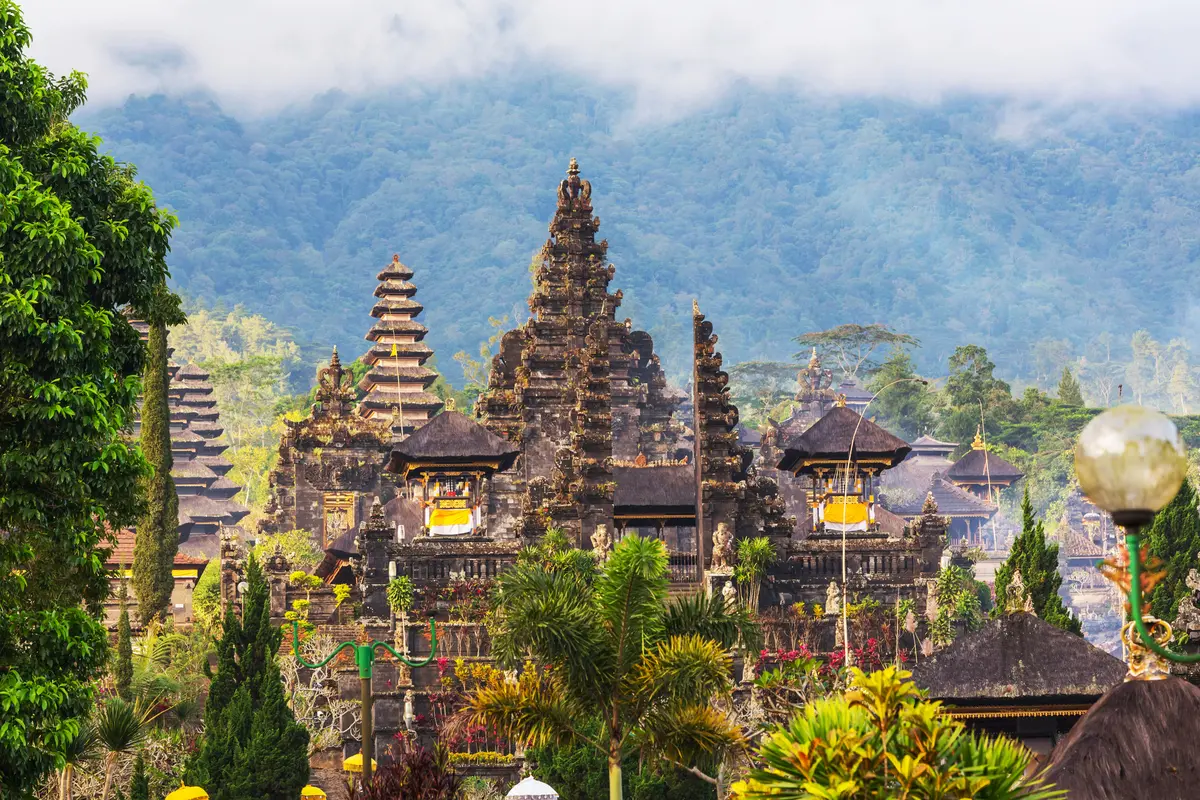
In Batuan Village, Gianyar Regency, one of Bali’s historic temples offers a window into the island’s religious traditions, architectural heritage, and community life.
Known to visitors as Batuan Temple Bali, the site is associated with Pura Puseh Desa Batuan, a sacred temple that continues to serve the local Balinese Hindu community.
Its elaborate stone carvings, traditional gateways, and ceremonial courtyards reflect generations of craftsmanship and spiritual practices.
However, Batuan Temple is more than an architectural landmark. It is a living religious space where traditions continue through ceremonies, offerings, and community participation.
For students, cultural travelers, and educational groups, visiting Batuan Temple offers an opportunity to understand how Balinese architecture expresses cultural values and religious beliefs.
Batuan Temple and Its Historical Background
Batuan Village is among Bali’s historically significant settlements, with cultural heritage dating back to the Warmadewa dynasty.
One important historical reference is the Baturan inscription, dated to 1022 CE, which remains associated with the temple’s heritage.
According to the Batuan village government’s historical account, the inscription is preserved as a sacred object at Pura Puseh Desa Adat Batuan. The account also describes the area’s historical religious importance and architectural development.
Although Batuan Temple is frequently described as an 11th-century temple, it is important to distinguish the historical evidence associated with the village from claims about the construction date of every existing temple structure.
Over generations, religious activities, maintenance, and architectural changes have contributed to the temple’s continuing significance.
Today, Batuan Temple remains both a place of worship and an important example of Balinese cultural heritage.
Understanding Batuan Temple’s Architecture and Symbolism
One of the most recognizable features of Batuan Temple is its detailed architectural ornamentation.
Traditional Balinese Hindu temple architecture combines physical structures with symbolic meanings related to spirituality, sacred space, and community traditions.
1. Traditional Gateways and Courtyards
Balinese temples commonly use gateways and courtyards to distinguish spaces with different functions and degrees of sacredness.
The candi bentar, or split gateway, marks an important entrance, while the more enclosed kori agung gateway typically represents a transition toward a more sacred area.
The arrangement of temple courtyards reflects the broader concept of Tri Mandala, which divides sacred space into three levels:
- Nista Mandala: The outer area, often associated with more public activities.
- Madya Mandala: The middle area, used for preparations and activities connected to worship.
- Utama Mandala: The innermost and most sacred area, containing important shrines.
Actual visitor access depends on the individual temple and current religious activities.
Readers interested in these architectural principles can explore Bali Institute’s guide to the meaning behind Balinese temple architecture.
2. Stone Carvings and Sacred Structures
Batuan Temple is particularly known for its ornamental stonework and traditional architectural details.
Its carvings demonstrate the artistic skills that have developed within Bali’s religious and cultural traditions.
Decorative motifs may draw from plants, animals, mythology, and symbolic figures.
These details are not simply artistic additions. They contribute to the identity and meaning of sacred buildings.
For students studying art or cultural heritage, observing these carvings provides opportunities to consider how traditional knowledge is maintained through craftsmanship.
3. The Role of Village Temples
Batuan Temple also helps visitors understand the importance of village temples in Balinese Hindu life.
Within Bali’s traditional Kahyangan Tiga system, different temples serve distinct religious purposes within a customary village.
These generally include Pura Desa, Pura Puseh, and Pura Dalem.
Pura Puseh is associated with Vishnu and the origins and spiritual foundations of the village.
Understanding these distinctions helps visitors recognize that Balinese temples are part of an interconnected religious system rather than isolated historical monuments.
Religious Ceremonies and Living Cultural Heritage
Religious activities remain central to the identity of Batuan Temple.
Temple ceremonies, offerings, and community participation help maintain the site’s spiritual significance.
These practices also demonstrate how cultural heritage continues through everyday responsibilities rather than existing only as a historical legacy.
For educational groups, this creates opportunities to discuss cultural continuity.
How do communities maintain sacred buildings? How is knowledge passed between generations? What responsibilities do community members share in preserving religious traditions?
Such questions can transform a temple visit into a meaningful cultural learning experience.
Visiting Batuan Temple Respectfully
Because Batuan Temple remains an active religious site, visitors should approach it with cultural sensitivity.
Before entering, follow the instructions of temple caretakers and any current visitor regulations.
A few important guidelines include:
- Dress appropriately. Wear a sarong and sash when required by temple authorities.
- Respect restricted areas. Do not enter spaces reserved for worshippers or religious activities.
- Avoid disturbing ceremonies. Remain quiet and give participants sufficient space.
- Ask before photographing rituals. Religious activities should never be interrupted for photographs.
- Protect architectural heritage. Avoid touching, climbing, or leaning against delicate carvings and sacred structures.
For student groups, a locally guided visit can provide valuable cultural interpretation while helping participants understand appropriate behavior.
Learn from Bali’s Living Heritage Through Custom Program Design
Living heritage sites like Batuan Temple demonstrate how architecture, religion, and community identity remain inextricably linked in Bali. Rather than simply appreciating beautiful structures, visitors must understand the living beliefs and relationships that give these sacred spaces meaning.
At Bali Institute, we serve as your collaborative educational architects, custom-designing experiential learning abroad that transforms a standard temple visit into a profound lesson in anthropology, religious studies, and cultural preservation.
We do not offer generic tours; we tailor every journey to align directly with your objectives. Whether we are co-creating a Teen Exploration program that introduces youth to cultural history, a University Experience that operates as a custom faculty-led study abroad program, a reflective Adult Learning Journey, or Customized CSR Group Tours focused on ethical community engagement, we ensure your time exploring Bali’s heritage sites is respectful and deeply educational. Partner with us for your next group student trip, and discover that true cultural heritage belongs to the communities who actively maintain it.