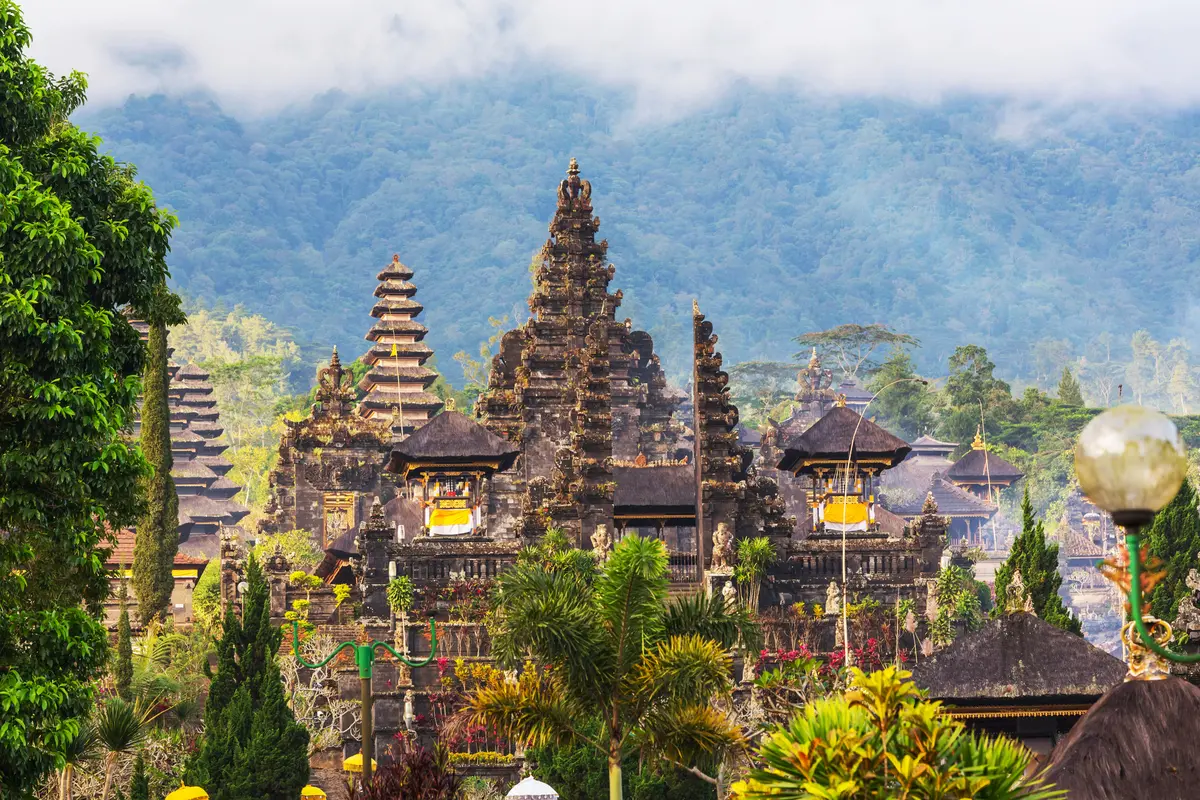
Visiting Bali means entering a complex, living ecosystem where tourism intersects daily with active religious traditions, agricultural cycles, and tight-knit village communities. A temple might appear on a travel itinerary, but it remains a sacred space of worship.
A ceremony may be visually captivating, but it exists solely for the local community, not as a tourist spectacle. Understanding these boundaries is the absolute foundation of responsible tourism. For institutions organizing group student trips or designing custom faculty-led study abroad programs, cultivating this cultural awareness is a critical component of global citizenship education.
By teaching participants when to observe respectfully, when to ask permission, and when to step back, organizers ensure that experiential learning abroad remains ethical, reciprocal, and deeply respectful of Bali’s living heritage.
Why Responsible Tourism Matters in Bali
Bali’s culture is not something preserved only in museums. Religious practices, temples, family compounds, agricultural traditions, markets, artisan workshops, and ceremonies remain part of everyday community life.
That means visitor behavior has real consequences.
Responsible tourism is therefore not limited to environmental actions such as reducing plastic waste. It also involves respecting cultural boundaries, supporting local livelihoods, conserving resources, and recognizing that communities should have control over how visitors enter their spaces.
For a broader environmental perspective, Bali Institute’s guide to mindful tourism in Bali explores how intentional choices can support both local communities and the environment.
Cultural Etiquette Checklist for Bali
There is no need to memorize every Balinese custom before arriving. However, a few basic principles can help visitors behave more thoughtfully.
1. Respect Temples and Ceremonies
Balinese temples are active places of worship rather than monuments created for tourism.
When visiting:
- Wear a sarong and sash when required.
- Follow signs and instructions from temple attendants.
- Stay outside areas reserved for worshippers.
- Avoid climbing or sitting on sacred structures.
- Keep conversations quiet during prayers or ceremonies.
- Never interrupt a procession simply to take a photograph.
Understanding the meaning of these spaces makes following the rules easier. Bali Institute’s article on Balinese temple architecture explains how temple layouts, gates, shrines, and courtyards reflect ideas about sacred space.
2. Be Careful Around Offerings
Small woven offerings known as canang sari are a common part of everyday religious life in Bali.
Visitors may encounter them outside homes, businesses, temples, and along pathways. Walk around them whenever possible rather than deliberately stepping on or moving them.
Sacred objects and ceremonial materials should similarly be left untouched unless a host specifically invites participation.
3. Ask Before Taking Photos
Photography is one area where curiosity can easily become intrusive.
Before photographing a person at close range, ask permission. During ceremonies, consider whether taking a photo is appropriate at all.
Avoid blocking processions, entering restricted areas for a better camera angle, or treating worshippers as part of a travel photoshoot.
Sometimes the most respectful choice is simply to watch.
4. Treat Villages and Homes as Living Spaces
A traditional village is not an open-air museum.
Family compounds, agricultural areas, community halls, and ceremonial spaces can have different levels of access. Do not assume that an open doorway means visitors are welcome inside.
Community visits are often more meaningful when arranged through trusted local hosts or well-designed educational programs where expectations and boundaries are clear.
Responsible Choices Beyond Cultural Etiquette
Respect also extends to everyday travel decisions.
Visitors can:
- choose locally guided experiences;
- buy directly from artisans when appropriate;
- carry reusable drinking bottles;
- avoid unnecessary single-use packaging;
- conserve water at accommodations;
- combine nearby destinations instead of making repeated vehicle journeys; and
- schedule activities around community needs rather than expecting communities to adjust entirely to visitors.
Local food can offer another accessible way to understand community life. Bali Institute’s article about Balinese food culture shows how agriculture, markets, ceremonies, families, and local livelihoods intersect through food.
Etiquette Is Really Cultural Literacy
A responsible traveler does more than follow a checklist.
Learning why a practice matters creates a deeper form of respect. Even learning a basic greeting, listening carefully to a local guide, or asking before entering a space can change the relationship between visitor and host.
Most importantly, travelers should become comfortable hearing no.
Not every ceremony needs visitors. Not every person wants to be photographed. Not every cultural practice needs to become a tourism experience.
Respect means accepting those boundaries.
For student groups and universities, Bali Institute’s University Experience programs are designed around this kind of experiential learning. Faculty-led programs connect academic objectives with cultural activities, site visits, local organizations, and community perspectives rather than separating classroom learning from the places students encounter.
Responsible tourism begins with a simple shift in perspective: Bali is not only somewhere to see. It is somewhere to listen, learn, and participate respectfully.